Scar Therapy
Scar therapy & rehabilitation
- Physiotherapy-led assessment of the scar and surrounding tissues.
- Education, movement, exercise and manual techniques where appropriate.
- Care adapted to healing stage, symptoms and functional impact.
- No promise that a scar will disappear or that outcomes will be the same for everyone.
Important
When scar therapy may not be appropriate
Scar therapy is not appropriate for every scar or every stage of healing. Treatment may need to be postponed or medical advice obtained where there is:
- an open or incompletely healed wound
- wound breakdown
- suspected infection
- unexplained bleeding
- significant or unexplained swelling
- sudden or unexplained worsening pain
- suspected postoperative complication
- any other concern requiring medical assessment
If you are unsure whether your scar is suitable for physiotherapy treatment, medical or surgical review may be recommended before treatment begins.
How scar rehabilitation is assessedWhat treatment may involve and why outcomes vary
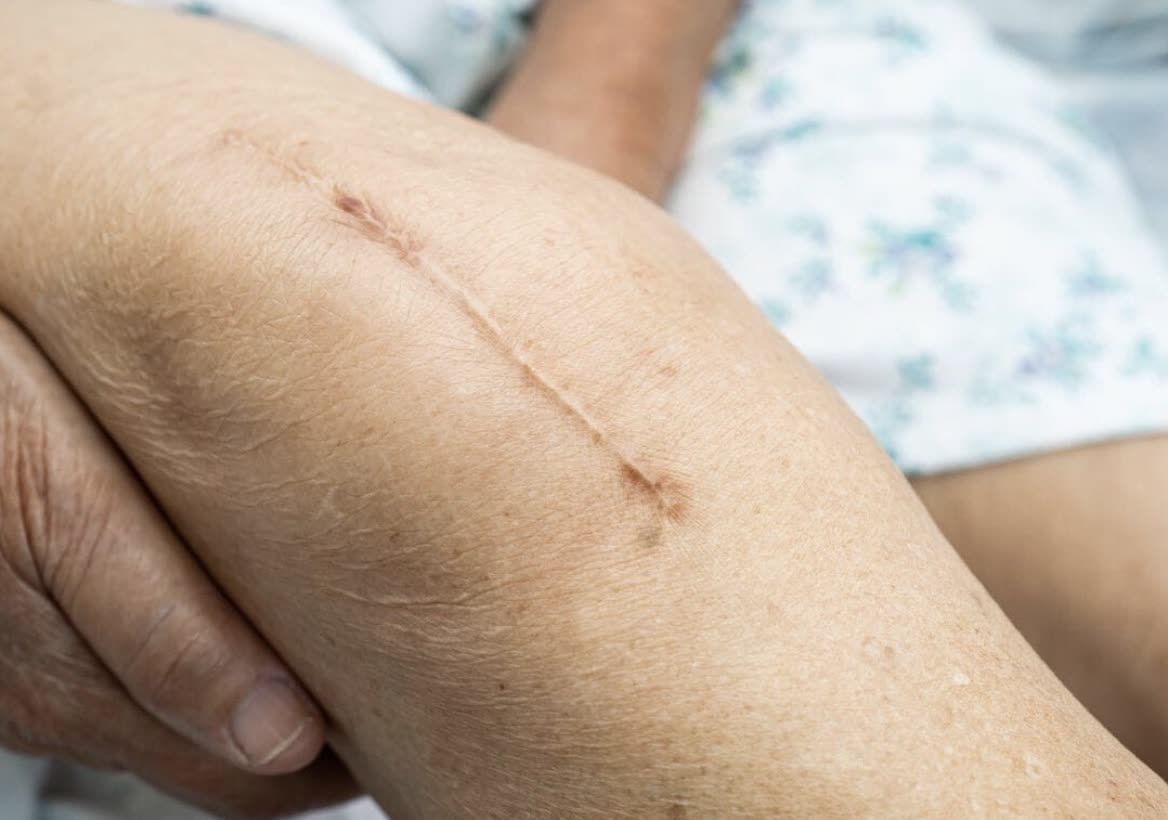
Assessment considers the scar's location, appearance, mobility, sensitivity, surrounding tissues, functional impact and stage of healing.
Treatment may include education, movement, exercise, manual techniques and scar-management strategies where appropriate.
Outcomes vary between individuals and depend on the original injury or surgery, scar characteristics, healing, treatment history and individual biology.
The number of sessions required varies depending on your goals, presentation, progress and clinical needs.
Urgent or emergency medical concerns
Physiorehab is not an emergency medical service.
If you have a medical emergency or symptoms that could indicate a serious or life-threatening condition, do not wait for a physiotherapy appointment or rely on information from this website.
Call 999 or attend your nearest Emergency Department where appropriate.
For urgent but non-life-threatening concerns, contact NHS 111, your GP, or the appropriate member of your healthcare team.
Examples of symptoms requiring urgent medical assessment may include severe or rapidly worsening symptoms, chest pain, significant difficulty breathing, sudden neurological changes, collapse, unexplained severe swelling, signs of serious infection, or other symptoms that concern you.
This list is not exhaustive. If you are concerned about your health, seek appropriate medical advice.
Clinical information notice
This article provides general educational information and is not a substitute for an individual clinical assessment or medical advice.
The information is not tailored to your diagnosis, medical history, treatment, medications or individual risk factors.
If you have concerns about your symptoms or health, please speak with an appropriate healthcare professional.